Toggle Nav 



New Cycling Trend 2026: What’s Shaping the Future of Cycling in Malaysia
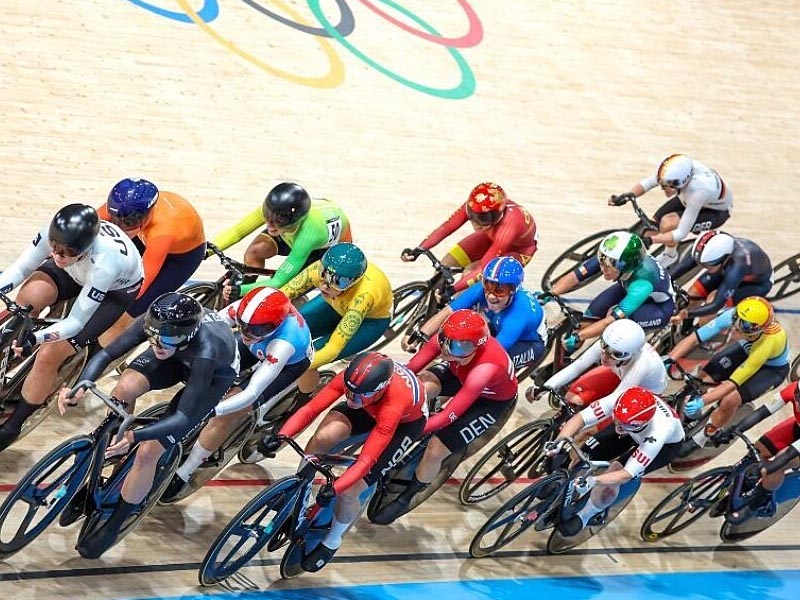
Opening: Cycling Momentum from 2025 into 2026
January 09, 2026 - Cycling continues to grow as more than just a sport. Across Asia—and especially in Malaysia—cycling is increasingly seen as a lifestyle, a form of transportation, a health activity, and a tourism experience.
Entering 2025, this momentum has already become visible through larger communities, more events, and wider access to cycling products and facilities. Looking ahead to 2026, several key developments suggest that cycling will play an even bigger role in how people move, train, and travel.
From Malaysia being selected as host for a major international cycling event to the rapid rise of electronic cycling gear, the next phase of cycling growth appears to be broader, more inclusive, and more technology-driven.
Here’s what the cycling landscape is shaping up to look like in 2026, and how riders, communities, and industries can prepare.
1. Malaysia Hosting the Final Round of the 2026 UCI Track Cycling World Cup
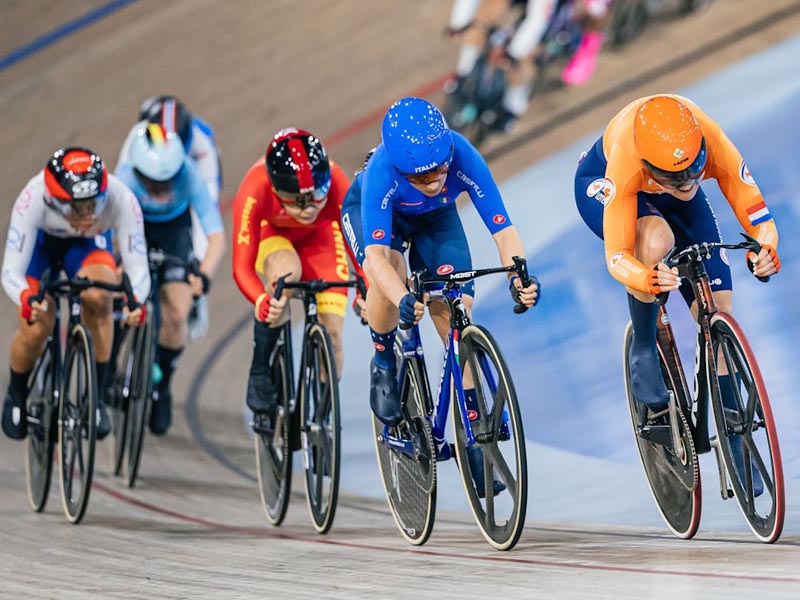
One of the clearest signs of cycling’s growth in Malaysia is its selection as the host of the final round of the 2026 UCI Track Cycling World Cup. Scheduled to take place from 24 to 26 April 2026 at the National Velodrome in Bandar Baru Nilai, Negeri Sembilan, the event marks a major milestone for Malaysian cycling on the global stage.
This is more than just a competition. Hosting a UCI-sanctioned event brings international athletes, teams, media exposure, and global attention. It also strengthens Malaysia’s reputation as a capable and serious player in international cycling.
Historically, major sporting events often act as catalysts, sparking grassroots interest, encouraging youth participation, and justifying investment in facilities and training programs.
Beyond elite racing, this event can inspire wider participation. When cycling becomes visible at an international level, it tends to influence public perception, shifting cycling from a niche activity to a respected and aspirational sport.
2. More People Cycling for Health, Recreation, and Commuting
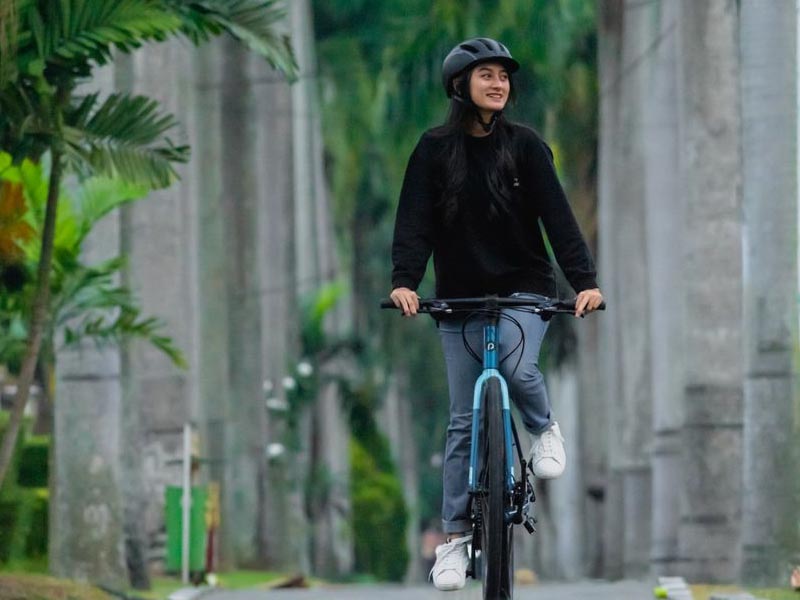
One of the clearest trends heading into 2026 is the growing diversity of people who cycle. Cycling is no longer limited to competitive athletes or weekend hobbyists. More people are riding for:
- Personal health and fitness
- Mental well-being and stress relief
- Recreational family activities
- Daily commuting to work or school
This shift is especially relevant in urban and suburban areas, where cycling offers an affordable and flexible alternative to motorized transport. In Malaysia, parks, public spaces, and urban cycling routes have become gathering points for casual riders and cycling communities.
As a result, demand is expanding beyond performance bikes to include commuter bikes, hybrids, folding bikes, and leisure-oriented models. Cycling becomes more approachable when it fits everyday life, not just race calendars.
3. The Rise of Cycling Tourism & Bike-Friendly Travel
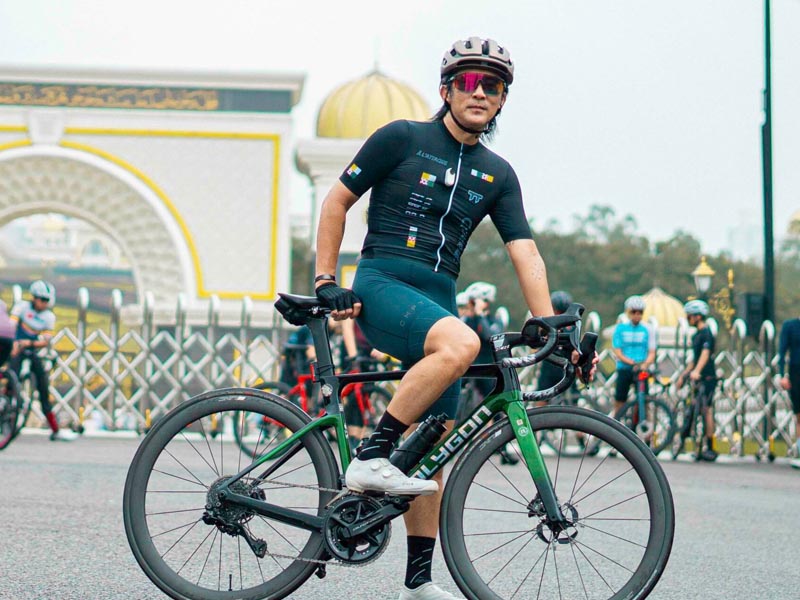
Cycling tourism is emerging as one of the most promising growth areas heading into 2026. Travelers are increasingly looking for experiences that combine physical activity, nature, and local culture. Cycling fits naturally into this trend.
Malaysia’s varied landscapes, from coastal roads to hill routes and rural villages, create strong potential for bike-based travel. Guided tours, cycling-friendly accommodations, and curated routes can attract both domestic and international tourists who want to explore destinations at a slower, more immersive pace.
This trend also benefits local economies. Cycling tourists tend to stay longer, explore more areas, and support local businesses. As awareness grows, “bike-friendly” destinations may become an important part of tourism development strategies across Southeast Asia.
4. Electronic Gear Becoming the New Standard

Technology is becoming a core part of the cycling experience. By 2026, electronic gear is expected to be more accessible, more integrated, and more widely adopted across all rider levels.
Key areas of growth include:
- Electronic shifting systems for smoother and more precise gear changes
- GPS bike computers with navigation, training metrics, and route planning
- Heart rate monitors and sensors to track fitness and recovery
- Smart trainers for indoor training and structured workouts
What’s changing is not just availability, but usability. Modern cycling electronics are becoming more intuitive, making data easier to understand and apply. Riders can monitor progress, structure training, and ride more efficiently, whether outdoors or indoors.
As prices become more competitive, electronic gear will no longer be exclusive to elite riders. Instead, it will become part of the standard cycling setup.
5. Improvements in Cycling Infrastructure & Events Across Asia (Including Malaysia)
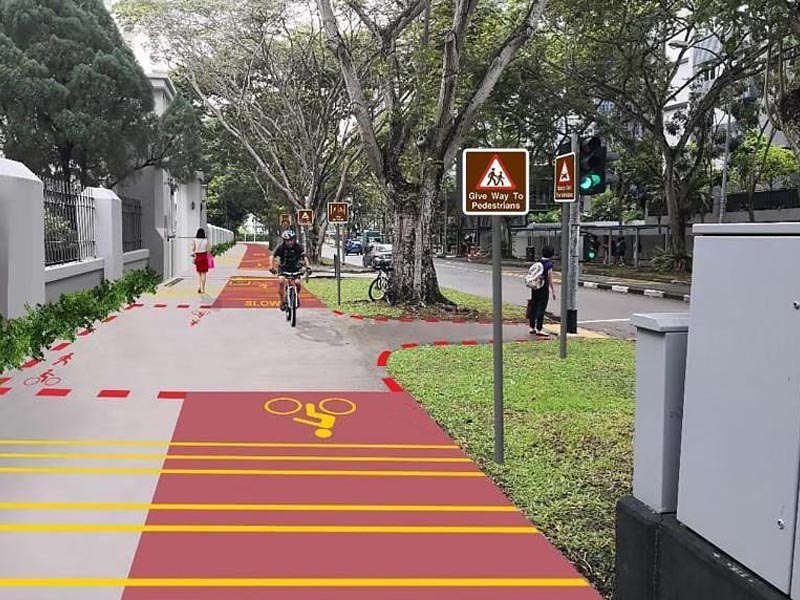
Infrastructure remains one of the most critical factors shaping cycling growth. Across Asia, including Malaysia, there are signs of gradual improvement, both in physical facilities and event organization.
These improvements include:
- Dedicated cycling lanes and shared paths
- Purpose-built facilities such as velodromes and pump tracks
- More organized races, community rides, and grassroots events
- Increased collaboration between sports councils and cycling bodies
Initiatives like youth development programs, track and BMX series, and partnerships with national sports organizations help build long-term cycling ecosystems. When infrastructure and events grow together, cycling becomes safer, more visible, and more socially accepted.
What to Prepare to Welcome These Cycling Trends
As cycling continues to evolve, preparation goes beyond buying a new bike. Riders, communities, and businesses can adapt by focusing on:
- Equipment That Matches Riding Style: Choosing the right bike and accessories based on how cycling fits into daily life, whether for commuting, training, or recreation.
- Skill Development and Safety Awareness: As more people ride, education around road safety, bike handling, and maintenance becomes increasingly important.
- Embracing Technology Gradually: Learning to use electronic gear effectively, without overcomplicating the riding experience.
- Supporting Local Cycling Communities: Joining group rides, participating in events, and supporting cycling-friendly spaces helps sustain long-term growth.
For regions and businesses, adapting infrastructure, tourism offerings, and public awareness will play a major role in sustaining growth.
Read also: New Bike Recommendations for 2026
Conclusion
By 2026, cycling in Malaysia and across Asia is expected to be more visible, more accessible, and more integrated into everyday life. International events like the UCI Track Cycling World Cup Final, growing participation across age groups, the rise of cycling tourism, and the widespread adoption of electronic gear all point toward a more mature cycling ecosystem.
While challenges remain, such as infrastructure and safety, the overall direction is clear. Cycling is no longer defined by competition alone. It is becoming a shared activity that connects health, mobility, technology, and community. For those ready to embrace it, 2026 represents not just a trend, but a long-term shift in how people ride.

Please complete your information below to login.
Sign In
Create New Account