Toggle Nav 



Are Carbon Mountain Bikes Safe?
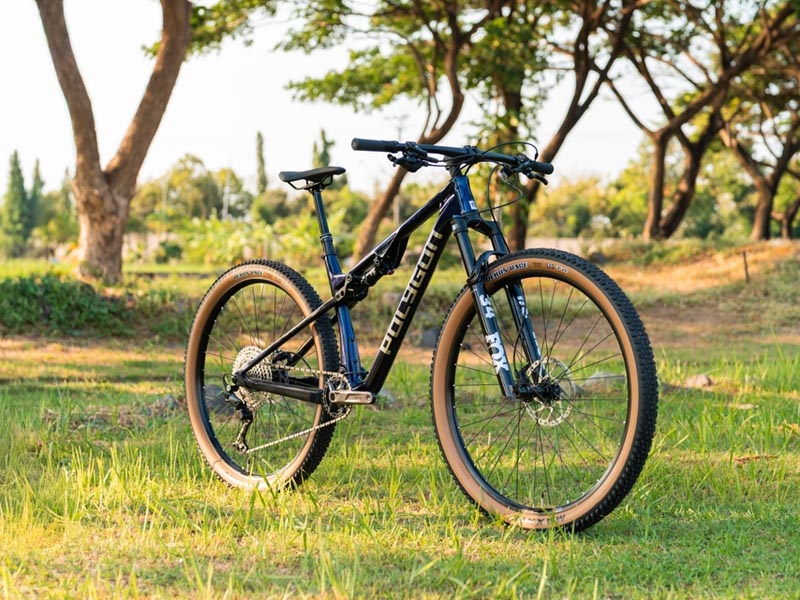
December 5, 2025 - When someone asks, “Are carbon mountain bikes safe?” , it’s tempting to answer with a simple yes or no. But reality isn’t that black-and-white.
A carbon mountain bike can be exceptionally strong, confidence-inspiring, and long-lasting, as long as it’s well-designed and treated the way carbon fibers are meant to be treated . At the same time, it’s a material that behaves differently from metal, which means riders need to understand a few important precautions.
Think of this article as a balanced look at both sides: why carbon is safe, why it also requires respect, and what you should check before choosing a carbon mountain bike, mountain bicycle , or MTB for trail, enduro, or downhill riding.
Why Carbon Mountain Bikes Are Safe?
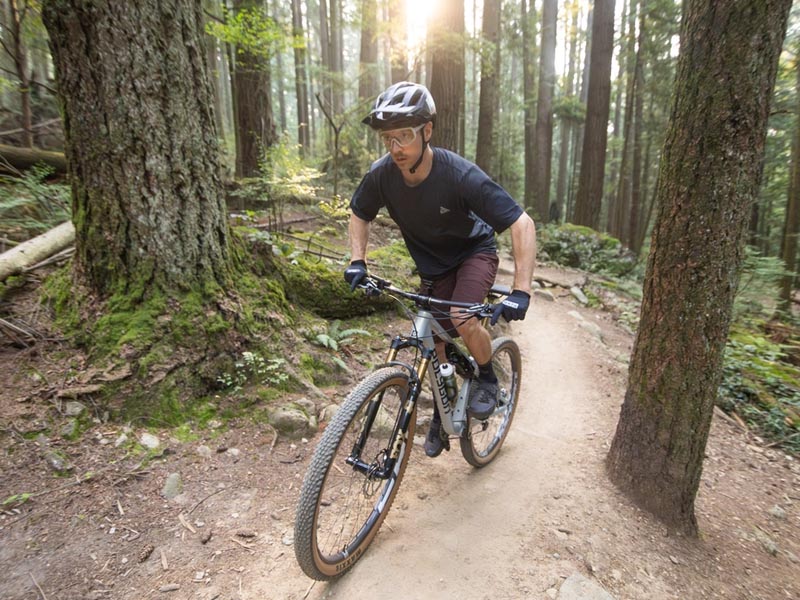
Engineered Strength Where It Matters
Modern carbon frames aren’t just molded; they’re engineered through simulation tools and precise fibre layups. This lets manufacturers concentrate strength at high-stress zones, like the head tube, BB, and chainstays, while keeping the frame light.
That level of tuning is why today’s carbon MTB frames can handle big hits, rough trail sections, and aggressive riding styles.
No Traditional Metal Fatigue
Carbon doesn’t experience metal fatigue the way aluminium or steel does. As long as the fibre layup and resin remain structurally intact, the frame maintains its stiffness and ride feel even after thousands of load cycles.
Dengan kata lain, untuk penggunaan normal, carbon boleh kekal kuat tanpa melemah secara beransur seperti metal.
Tuned Flex + Vibration Control
Because fibre orientation can be customized, brands can build in comfort and control. Rear stays can be tuned to add a bit of compliance, while the front triangle stays stiff for efficient power transfer.
On top of that, carbon naturally dampens high-frequency vibrations, reducing trail chatter, helping the bike stay planted, and keeping the rider in better control on long or technical rides.
Why Carbon Mountain Bikes Also Require Caution?
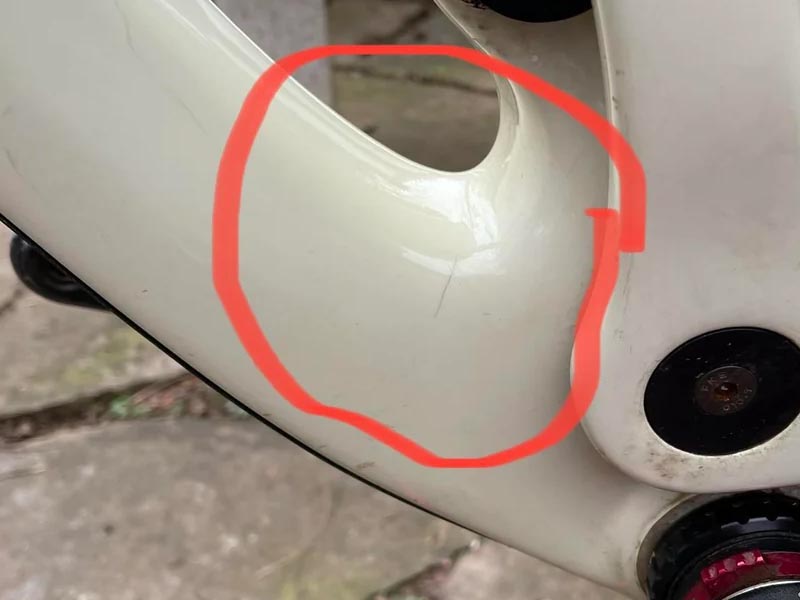
Carbon frames are strong, light, and highly engineered, but they behave differently from metal, which means riders need to understand a few precautions.
- Vulnerable to Sharp, Concentrated Impacts: While carbon handles big riding forces extremely well, it reacts differently when hit by something sharp. A rock strike on the downtube, a handlebar hitting the top tube, or landing on a hard edge can create localised damage such as delamination or internal cracking . Metal usually dents or bends visibly; carbon damage can be subtle or hidden beneath the paint.
- Hidden Damage + Sudden Failure Mode: The biggest challenge is detection. A carbon tube that is compromised may not look “broken.” Hairline cracks, soft spots, or paint crazing can be signs of deeper structural issues. And unlike aluminium, which often gives a warning before failing, carbon that’s severely damaged can fail more abruptly. Modern QC greatly reduces the risk, but inspection is still essential.
- Needs Proper Maintenance and Careful Handling: Because carbon is sensitive to excessive clamping and uneven pressure, things like over-torquing bolts, using the wrong type of workstand, or forcing components can crush fibres internally. A torque wrench, carbon-safe assembly paste, and correct workshop habits go a long way in preserving the frame.
- Post-Crash Checks Are Non-Negotiable: Even if the bike “feels fine,” any major crash deserves a quick inspection. Simple checks, like looking for cracks, doing a coin-tap test, and listening for creaks, help catch early signs of damage. If there’s any doubt, a professional shop or carbon-repair specialist can confirm whether the frame is still safe.
- Not All Carbon Frames Are Equal: Top brands use proper layups, controlled compaction, and rigorous testing. Cheap, poorly made carbon frames are the real danger because they may have voids, inconsistent fibre orientation, or weak resin bonding. Quality manufacturing is the key factor that separates “safe carbon” from “risky carbon.”
Practical Tips Before Buying or Riding a Carbon MTB
- Buy from reputable dealers and check the warranty. Quality matters; trusted brands usually provide clear testing standards and proper after-sales support.
- Ask about the carbon layup and manufacturing process. Good frames go through proper compaction, FEA simulations, and strict QC to avoid voids or weak spots.
- Learn basic inspection habits. Do quick visual checks, use simple tests like coin-tap, and keep a torque wrench so you never over-tighten clamps on carbon parts.
- Use protective measures. Install frame guards, apply clear film on the downtube, and avoid clamping the frame directly on stands or racks.
- Match the frame to your riding style. For downhill or enduro, choose carbon frames specifically reinforced for heavy impacts. XC-focused frames are lighter but not designed for the same level of abuse.
Which Carbon Models to Consider?
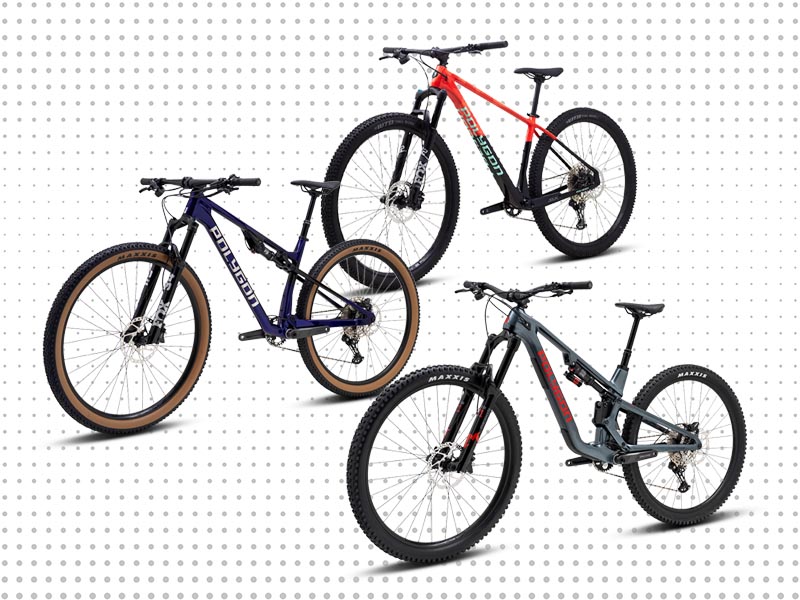
If looking for reliable carbon mountain bike options for trail and all-mountain riding, the Polygon Syncline C5 , Syncline DR6 , and Collosus T6 Full-Sus are three models that clearly show how a well-engineered carbon frame can elevate performance.
The Polygon Syncline C5 XC MTB is ideal if you want a carbon hardtail that feels efficient, light, and responsive without losing stability on rougher XC terrain. Its ACX Carbon frame is the foundation. Built to be stiff under power but still compliant enough to keep the bike controlled on technical climbs and rocky sections.
The result is a hardtail that accelerates sharply and tracks with precision, especially when you’re pushing through longer XC loops.
If the goal is a carbon frame that feels more confident on rough trails while still being efficient, the Syncline DR6 XC MTB delivers that balance. It uses a carbon front triangle that boosts stiffness and steering accuracy, paired with a tough alloy rear to absorb big hits. This structure keeps the bike light and responsive while giving you extra forgiveness when trail conditions get demanding.
For riders who want the full experience of a carbon full-suspension trail bike, the Collosus T6 MTB stands out. Its ACX Carbon frame is engineered to stay stiff under heavy load, giving the bike excellent stability on steep descents and high-speed sections.
The suspension kinematics work closely with the carbon chassis, creating a ride that feels planted on technical drops yet efficient enough to climb without unnecessary bob. It’s a confident choice for trail riders who want a carbon build designed for tougher, more aggressive riding.
Read also: Carbon Fiber Mountain Bikes Revival
Conclusion
A carbon mountain bike is absolutely safe, as long as the frame comes from a reputable manufacturer and is treated the way carbon is meant to be treated .
The advantages are real: engineered stiffness, excellent weight reduction, fatigue-free performance, and vibration-damping comfort. But carbon also deserves respect. Sharp impacts, over-torquing, and improper inspection are the real risks, not the material itself.
For shoppers looking for trustworthy carbon mountain bike options, models like the Syncline C5 , Syncline DR6 , and Collosus T6 offer a strong balance of safety, durability, and modern performance. Choose the right bike for your discipline: XC, trail, enduro mountain bike , or light downhill mountain bike , and pair it with good maintenance habits.
With the right frame and proper care, carbon can be one of the safest, most rewarding materials for modern mountain riding.
Other carbon MTBs You Might Like:
- Polygon Syncline C3 Mountain BikeSGD 1,599.00



Please complete your information below to login.
Sign In
Create New Account