Toggle Nav 



Mountain Biking Tips in the Rain: How to Stay Confident on Wet Trails
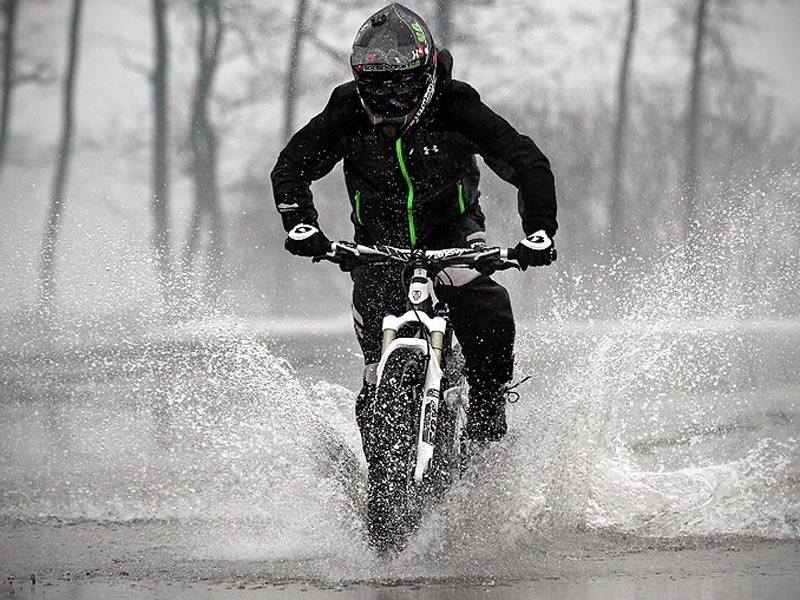
January 9, 2026 - Rainy weather often makes riders think twice before heading out on the trail. Slippery roots, muddy corners, and reduced visibility can feel intimidating at first. But rain doesn’t have to be an obstacle for mountain biking. In fact, learning to ride wet trails can make you a more controlled, adaptable, and confident rider overall.
With proper preparation, good riding technique, and good post-ride habits, riding a mountain bike in the rain can still be enjoyable and safe. These mountain biking tips will help you understand what changes occur in wet conditions and how to adjust, so you can keep riding even when the weather doesn’t cooperate.
Preparation: Setting Up Before You Hit the Trail
Lower Your Tire Pressure

One of the most effective adjustments for wet conditions is reducing tire pressure slightly. Lower pressure increases the contact area between your tires and the ground, improving grip on muddy soil, slick rocks, and wet roots. This helps your MTB feel more planted and predictable instead of skittish.
The key is moderation. Drop the pressure a little, test how it feels, and avoid going so low that you risk pinch flats or unstable handling.
Consider Wider Tires
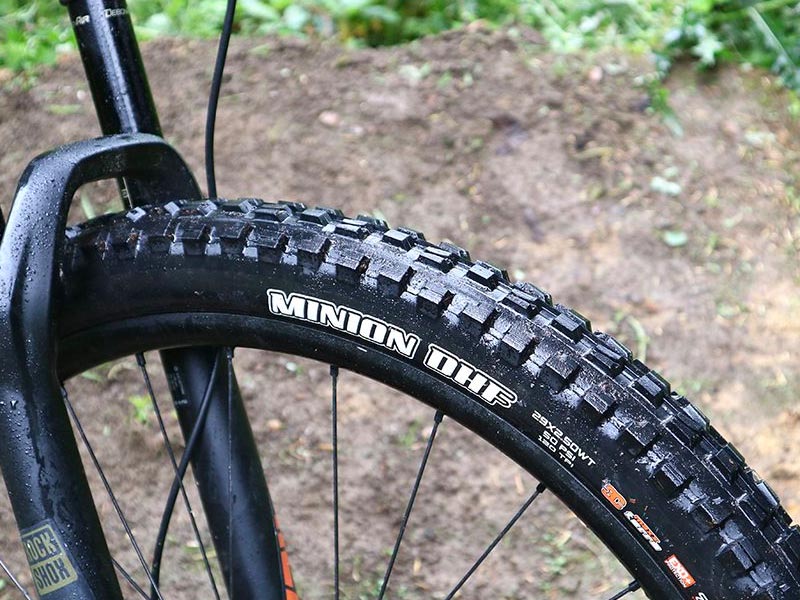
Wider tires with deeper tread patterns can make a noticeable difference in the rain. They clear mud more effectively and provide better traction on soft or slippery terrain. If you frequently ride in wet conditions, wider tires can help your mountain bicycle maintain grip where narrower tires might struggle.
Aggressive tread patterns are especially useful for loose dirt, wet clay, and trails with lots of roots.
Install Fenders & Wear MTB Glasses
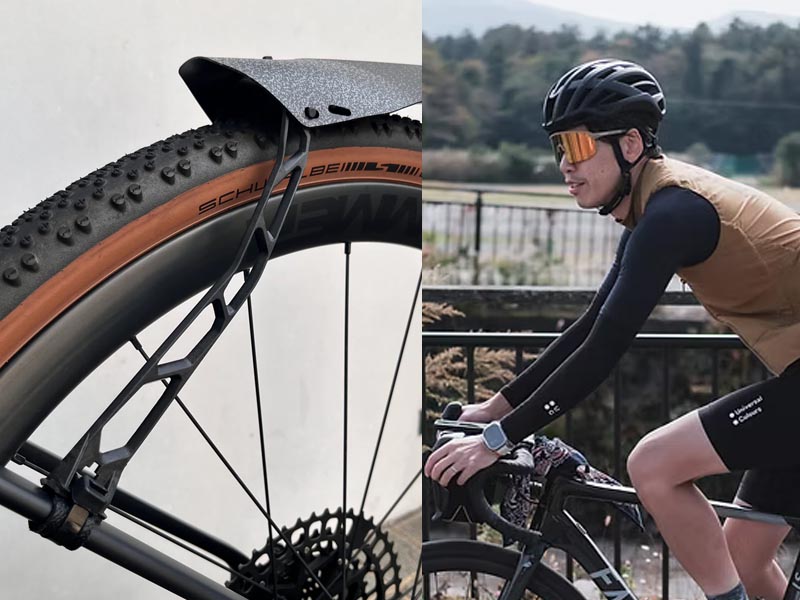
Rain doesn’t just make trails slippery; it also reduces visibility. Installing a front fender helps keep mud and water from spraying into your face, while also protecting the fork and headset from excess dirt.
Clear or lightly tinted MTB glasses are equally important. They shield your eyes from rain, flying debris, and mud splashes while keeping your vision clear. Anti-fog lenses or coatings are especially helpful during humid rides.
During the Ride: Adjusting Your Technique
Avoid Puddles When Possible
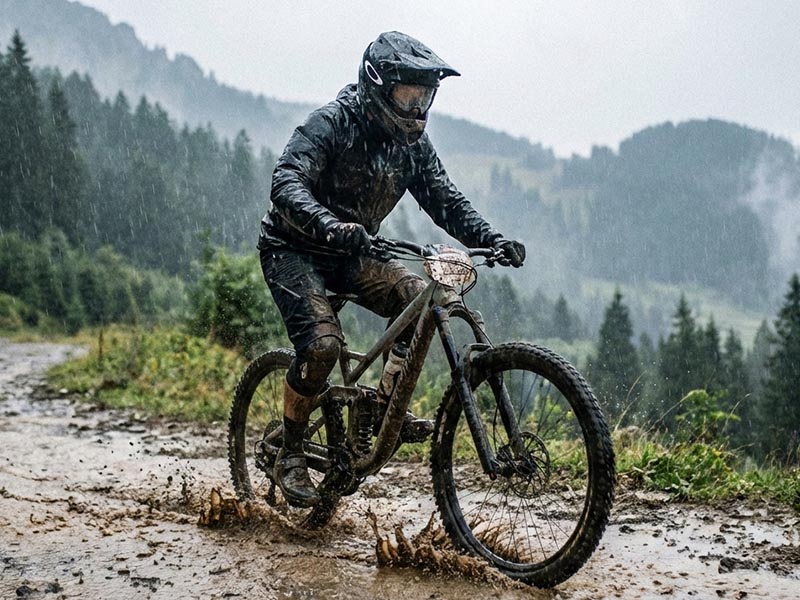
Puddles can be deceiving. What looks shallow could hide rocks, holes, or deep mud underneath. When possible, choose a clear line around puddles, but avoid widening the trail unnecessarily. If you must ride through one, keep a steady pace and stay relaxed.
Being mindful of trail preservation is also important, especially in shared trail systems.
Ride With Confidence, Not Tension
Wet conditions can cause riders to tense up, but stiffness often leads to loss of control. Instead, ride smoothly and confidently, much like you would on dry terrain. Keep your elbows and knees slightly bent and allow the bike to move beneath you.
Looking ahead and planning your line early helps maintain flow and balance, especially when traction is limited.
Slow Down on Corners and Descents
Corners and descents are where most slips happen in the rain. Wet roots, rocks, and compact dirt reduce grip dramatically. The solution isn’t to stop riding aggressively, but to slow down before entering corners or steep sections.
Control your speed early, stay upright, and avoid sudden movements. This approach helps your mtb track smoothly through turns instead of sliding unexpectedly.
Brake Early and Smoothly
Braking late or aggressively on wet trails often leads to skidding. Instead, brake earlier and apply pressure gradually. Feathering the brakes allows your tires to maintain traction while slowing you down in a controlled way.
Focus on finishing most of your braking before technical sections like root gardens, steep roll-downs, or tight switchbacks.
Post-Ride Maintenance: Protecting Your Bike and Gear
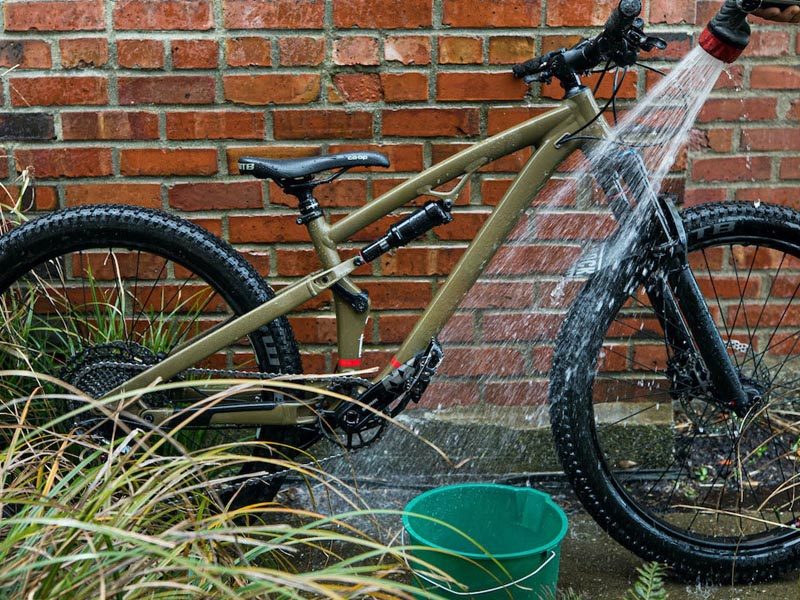
Riding in the rain is harder on your bike than dry-weather riding. Proper post-ride care is essential to keep your mountain bike running smoothly.
Clean Your Bike Immediately
Mud and grit can wear down drivetrain components quickly if left to dry. Rinse your mountain bike as soon as possible after your ride while the dirt is still soft. Use low-pressure water and avoid spraying directly into bearings, hubs, or suspension pivots.
A gentle brush helps remove stubborn grime without damaging parts.
Reapply Chain Lube
Rain washes lubricant off the chain faster than in dry conditions. Once your bike is clean and dry, reapply chain lube, preferably a wet-condition formula that offers better water resistance. This prevents rust, reduces drivetrain wear, and keeps shifting smooth.
Wipe off excess lube to avoid attracting dirt on your next ride.
Dry Your Gear Thoroughly
Wet riding gear should never be left bundled up. Hang your helmet pads, gloves, shoes, and clothing in a well-ventilated area. Dry gear not only lasts longer but also stays more comfortable and hygienic for your next ride.
Conclusion: Wet Trails Are Part of the Ride
Rain doesn’t have to stop your riding plans. With proper preparation, smart technique adjustments, and consistent maintenance, wet trails can become an opportunity to refine your skills and build confidence. These mountain biking tips help you stay in control, protect your bike, and enjoy the ride, even when conditions are less than perfect.
Whether you’re riding a mountain bicycle locally or exploring new trails, riders in mountain bike Singapore communities know that tropical weather often means adapting rather than waiting it out. For riders searching for gear, parts, or trail-ready setups in mtb singapore, explore the full range of mountain bikes and accessories available on Rodalink Singapore’s Mountain Bike collection and keep riding, rain or shine.
Suggested Gear for Mountain Biking in the Rain
- Schwalbe Hans Dampf 27.5x2.35" Tubeless Easy TireSGD 75.00-30%Special Price SGD 52.50
- Giro Monaco II GlovesSGD 55.00



Please complete your information below to login.
Sign In
Create New Account