We use cookies to make your experience better. To comply with the new e-Privacy directive, we need to ask for your consent to set the cookies. Learn more.












Why is Choosing a Road Bike Helmet Different from an Ordinary Bike Helmet?

January 23, 2026 - A road bike helmet is designed for higher speeds and longer rides, where comfort and airflow matter just as much as protection. Road cyclists spend more time in a forward-leaning position, generate more heat, and often ride in open traffic or exposed conditions.
Because of this, road helmets prioritize lightweight construction, efficient ventilation, and stable fit at speed, not just basic impact protection. Choosing the right road bike helmet helps riders stay comfortable, focused, and confident throughout every ride.
Understanding Road Bike Helmet Types
Not all helmets are created equal, even within the category of road cycling. Choosing the right road bike helmet starts with understanding the types available and what each is designed to do.
1. Traditional Road Bike Helmets
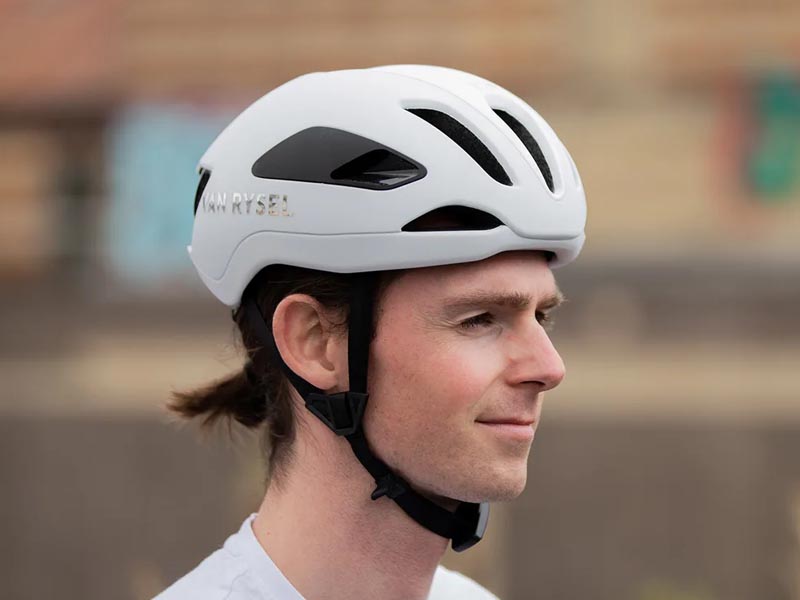
Traditional road bike helmets are the most common choice for everyday cyclists. They offer a good balance of ventilation, weight, and protection, making them suitable for commuting, fitness rides, and longer road trips.
These helmets prioritize airflow and comfort, with multiple vents to keep you cool and minimize sweat buildup during long rides. They’re lightweight and designed to support sustained efforts without feeling heavy.
2. Aero Road Helmets

Aero helmets are designed to minimize wind resistance and enhance performance, particularly when riding at higher speeds or competing in races. Their streamlined form helps reduce drag, but the trade-off is often less ventilation compared to traditional road helmets.
This makes aero helmets ideal for riders focused on speed or competitive cycling, though they may feel warmer on hot or humid days.
3. MIPS-Equipped Helmets
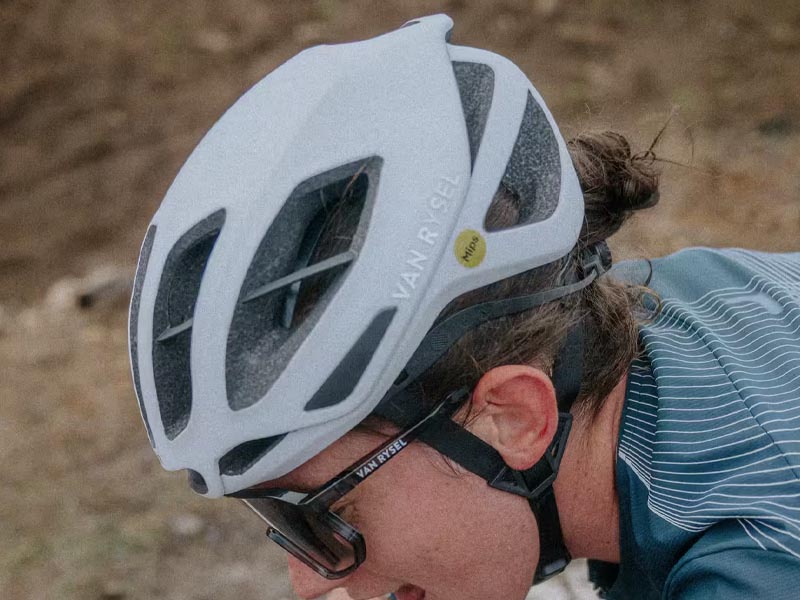
MIPS (Multi-Directional Impact Protection System) helmets provide an extra layer of safety by helping to reduce rotational forces during angled impacts. While not a “style” per se, MIPS is a feature found in many modern road helmets and can offer enhanced protection in specific crash scenarios.
Helmets with MIPS may be slightly heavier and more expensive than non-MIPS versions, but they’re worth considering if safety is a top priority for you.
These categories don’t always exist in isolation; some helmets blend elements, such as aero shaping with good ventilation or MIPS protection in a lightweight shell. The key is understanding what you value most in your rides: airflow, speed, performance, or extra protection.
Prioritize Safety Certification

Before considering weight, ventilation, or design, a road bike helmet must meet recognized safety standards. Certification ensures the helmet has passed impact tests and provides a minimum level of protection in real-world crashes.
Look for certifications such as:
- CPSC: required for helmets sold in the United States
- EN 1078/CE: commonly used across Europe and many other regions
Some road helmets also include additional protection systems like MIPS, which are designed to reduce rotational forces during angled impacts. While not mandatory, these technologies can add an extra layer of safety, especially for riders spending long hours on the road.
No matter the price or style, a helmet without proper certification should never be considered.
Key Features to Look For in a Road Bike Helmet
Once safety certification is covered, the next step is focusing on features that directly affect comfort and performance on the road.
Lightweight Construction
A good road bike helmet should feel light on the head, especially during long rides. Lighter helmets reduce neck fatigue and make it easier to maintain a comfortable riding posture over time. Weight savings usually come from optimized foam design and lightweight shells, not by compromising safety.
Aerodynamic Design
Road helmets are shaped to manage airflow efficiently at speed. A more aerodynamic profile helps reduce drag, which matters when riding fast or holding a steady pace for long periods. Many modern road helmets balance aerodynamic shaping with sufficient ventilation, making them suitable for both training and performance riding.
Effective Ventilation
Ventilation is critical, particularly in warm or humid conditions. Well-placed vents and internal airflow channels help regulate temperature and allow heat to escape. Better ventilation keeps riders cooler, reduces sweat buildup, and improves overall comfort on longer road rides.
Anti-Bacterial and Washable Padding
Interior padding plays a bigger role than many riders expect. Anti-bacterial pads help control odor and improve hygiene, especially for frequent riders. Removable and washable padding also makes long-term helmet maintenance easier and keeps the helmet feeling fresh.
Test and Measure the Size With Your Head During Purchase
Even the best road bike helmet won’t protect you properly if the fit is wrong. That’s why sizing should always be tested and measured, not guessed.
- Start by measuring your head circumference using a soft measuring tape
- Place the tape just above your eyebrows and wrap it around the widest part of your head
- Compare the measurement with the helmet brand’s size chart
- Try the helmet on and make sure it sits level, not tilted forward or backward
- Check that the front edge sits about one to two finger widths above your eyebrows
- Adjust the retention system so the helmet feels snug but not tight
- Fasten the chin strap and ensure it feels secure without restricting movement
- Shake your head gently to confirm the helmet stays in place
A properly sized road bike helmet should feel secure and comfortable, without pressure points or excessive movement.
Pick a Style You Like
Choosing a road bike helmet isn’t just about specs, but it’s also about how it makes you feel when you put it on. Style matters because comfort and confidence go hand in hand.
Here are simple points to consider:
- Match your riding purpose: Sleek, aerodynamic helmets suit racers and fast riders, while more ventilated, everyday designs work well for commuting and fitness rides.
- Color and visibility: Bright colors or reflective accents can improve your visibility on the road, which is a practical safety plus.
- Personal preference: Some riders prefer minimal and clean designs, while others like bold graphics or integrated visor options. Choose what makes you want to wear it.
- Brand cohesion: Pairing your helmet style with your kit or road bike can make your setup look more cohesive, though comfort should always come first.
At the end of the day, a helmet you enjoy wearing is one you will actually use, and that’s as important as any performance feature.
Quick Checklist: Choosing the Right Road Bike Helmet
Before making your final decision, run through this checklist to make sure the helmet fits your riding needs:
- Meets recognized safety certifications (CPSC, EN 1078 / CE)
- Designed specifically as a road bike helmet
- Lightweight enough for long rides
- Aerodynamic shape suitable for your riding style
- Good ventilation for your climate and ride duration
- Comfortable, secure fit with an adjustable retention system
- Correct size based on head measurement
- Anti-bacterial, removable, and washable padding
- Style and color, you’re happy to wear
If a helmet checks all these boxes, it’s likely a good match for your road riding.
Read also:
Conclusion: Ride Safer and Smarter on the Road
Choosing the right road bike helmet comes down to understanding how you ride and what matters most on the road. Safety certification should always come first, followed by a secure fit, good ventilation, lightweight construction, and a design that suits your riding style. When these elements come together, a helmet doesn’t just protect, it supports comfort, focus, and confidence on every ride.
Polygon designs its road cycling gear with the same philosophy as its road bikes: balanced performance, real-world usability, and rider comfort. Pairing a well-fitted road bike helmet with a properly designed Polygon road bike creates a setup that feels efficient, safe, and enjoyable, whether you’re training, commuting, or riding long distances.
If you’re serious about road cycling, investing in the right helmet and choosing a road bike built with thoughtful design is a decision that pays off every time you ride!
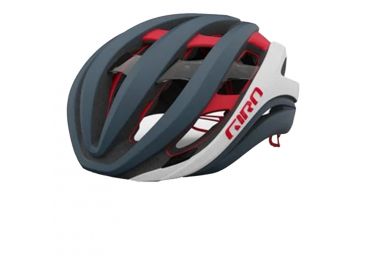
Road Bike Helmets Recommendation You Might Like